


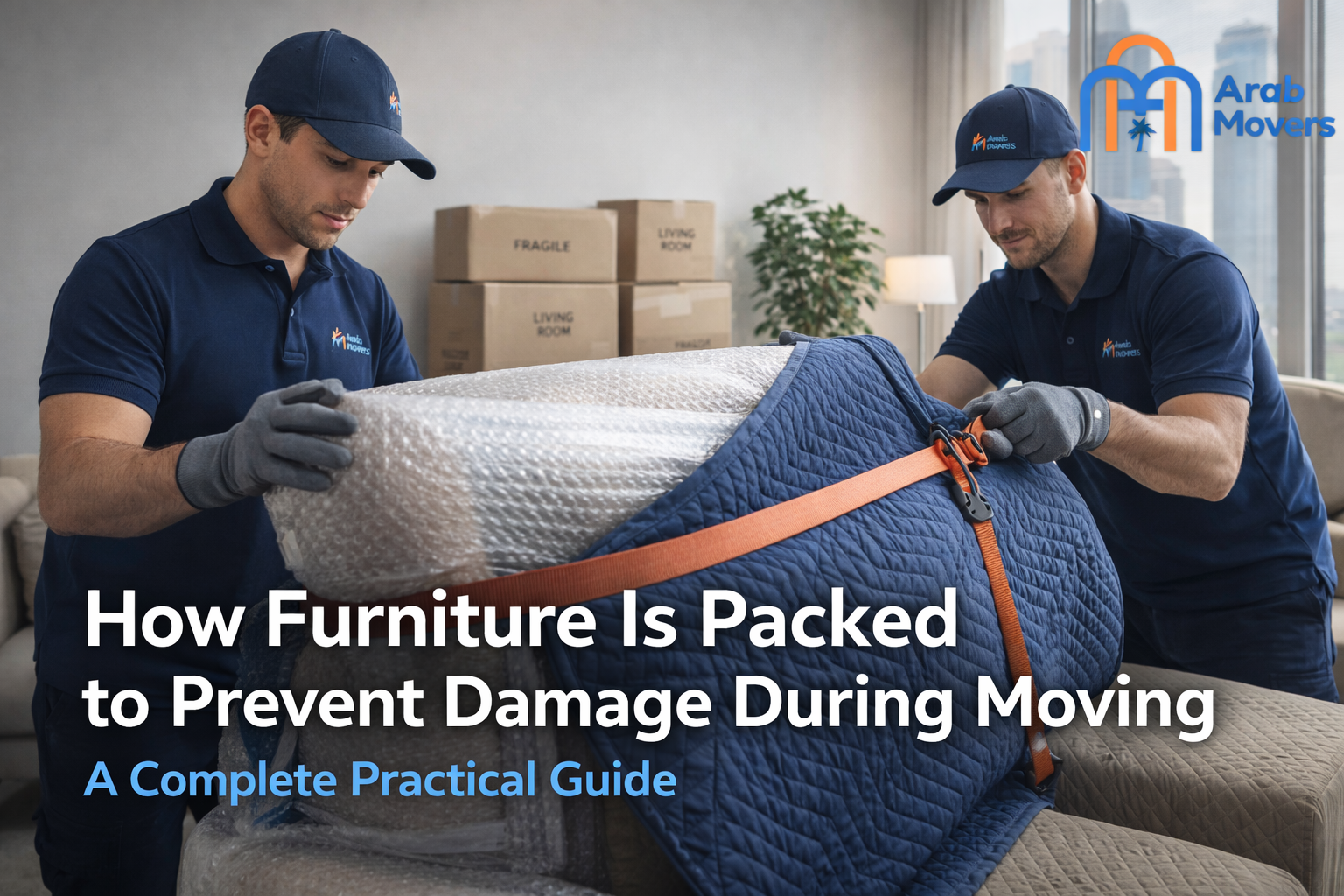
Furniture is often the most valuable and most vulnerable part of any move. From large sofas and wardrobes to delicate glass tables and antiques, improper packing can result in scratches, cracks, or permanent damage. This is why furniture packing is not simply about wrapping items; it is a structured process designed to protect each piece throughout lifting, loading, transportation, and unloading.
This guide explains how professional movers pack furniture to prevent damage, highlighting the methods, materials, and expertise required to ensure a safe and well-managed relocation.
Introduction: Why Furniture Protection Is Critical During a Move
During a move, furniture is exposed to multiple risk points. Items are lifted, tilted, moved through narrow spaces, loaded into trucks, and transported across varying road conditions. Without proper protection, even small impacts can lead to visible damage or internal structural issues that may not be immediately noticeable.
Poor packing often results in surface scratches, cracked panels, weakened joints, or misaligned frames. This is why experienced local movers follow a systematic packing process that reduces risk at every stage. When the right techniques and materials are used, furniture reaches its destination in the same condition it was in before the move.
The Best Packing Materials for Furniture
Effective furniture protection begins with selecting the correct packing materials. Different furniture types require different levels of cushioning and support based on size, weight, and material composition.
Professional movers rely on high-quality packing supplies that absorb shock, prevent friction, and stabilize furniture during transit. Rather than using generic materials, experienced local movers and packers choose packing solutions based on the specific item being handled.
Commonly used materials include industrial-grade bubble wrap for cushioning, foam sheets to protect corners and edges, stretch wrap to secure padding, and shock-resistant crates for fragile or high-value furniture. When applied correctly, these materials create multiple protective layers that remain secure throughout the move.
How to Safely Pack Fragile Furniture
Fragile furniture requires careful assessment and specialized handling. Items such as glass dining tables, mirrors, antiques, and custom-built furniture are particularly vulnerable during relocation.
Movers begin by identifying weak points in each piece. Glass elements are usually removed and packed separately, while delicate surfaces are padded before being wrapped securely. Each item is clearly labeled and positioned to avoid pressure or unnecessary movement during transport.When this process is handled by trained professionals offering structured local moving services, the risk of cracks, chips, or structural damage is significantly reduced.
How Movers Protect Your Sofas, Beds & Wardrobes
Large furniture items such as sofas, beds, and wardrobes present unique challenges due to their size and weight. These items can suffer fabric tears, frame stress, or alignment issues if not handled properly.
Professional movers protect these pieces by using padded covers, dismantling components where necessary, and securing all parts to prevent shifting during transportation. Beds and wardrobes are carefully disassembled to reduce strain on joints, while sofas are wrapped to protect upholstery and shape.
Reputable local moving companies in UAE follow strict handling procedures to ensure bulky furniture remains stable, balanced, and fully protected from pickup to delivery.
Loading and Transporting Furniture with Care
Even well-packed furniture can be damaged if it is loaded incorrectly. The loading stage is one of the most critical phases of any move, as improper weight distribution or unsecured placement can lead to damage during transit.
Professional movers use padded blankets, lifting tools, and securing straps to protect furniture while loading it into the truck. Heavier items are positioned carefully to avoid placing pressure on lighter or fragile pieces, and everything is secured to prevent movement on the road.
When handled by experienced local moving services, transportation becomes a controlled process rather than a risk factor.
Unpacking & Reassembling Your Furniture in Your New Home
Once furniture reaches its destination, careful unpacking is just as important as packing. Protective materials are removed methodically, and each item is inspected to ensure stability and condition.
Movers reassemble furniture according to manufacturer guidelines, ensuring that frames, joints, and fittings are properly aligned. Complex items such as modular wardrobes or custom beds often require technical precision to restore them correctly.
Professional handyman support during this stage allows homeowners to settle into their new space comfortably without risking damage from improper reassembly.
Conclusion: Furniture Safety Is Key for a Smooth Move
Protecting furniture during a move requires experience, planning, and the right materials. From structured packing and careful loading to secure transportation and professional reassembly, every step plays a role in preventing damage.
Choosing experienced local movers and packers ensures that furniture is handled with care throughout the relocation process. Arab Movers follow professional packing and handling standards to safeguard furniture at every stage of a move. For those planning a local relocation, booking professional assistance through the Contact Us page helps ensure a smooth, efficient, and damage-free moving experience.
Moving Across the UAE: What to Expect in Dubai and Abu Dhabi
When relocating furniture and household items, each emirate has its own set of moving regulations and practical considerations. Understanding these differences helps you plan better and avoid delays.
Dubai: moving company Dubai for High-Rise Living & Time-Restricted Moves
Dubai’s residential buildings often require elevator bookings and moving permissions. Many residents prefer a moving company in Dubai that understands building rules and can coordinate access slots in advance, especially in busy areas like Downtown, Marina, or Business Bay. Planning ahead helps prevent last-minute rescheduling and reduces the risk of extra charges.
Abu Dhabi: moving services Abu Dhabi for Larger Homes & Longer Distances
Abu Dhabi’s communities tend to have larger villas and wider roads, which can simplify loading but require more planning for furniture placement and transportation. For villa relocations or family moves, choosing moving services Abu Dhabi that include proper packing and careful transportation ensures a smooth transition.